Raast Pull Payments Explained for Pakistani Businesses and Developers
SBP is introducing consent based pull payments on Raast. What they are, how they differ from P2P and P2M, and what to prepare.
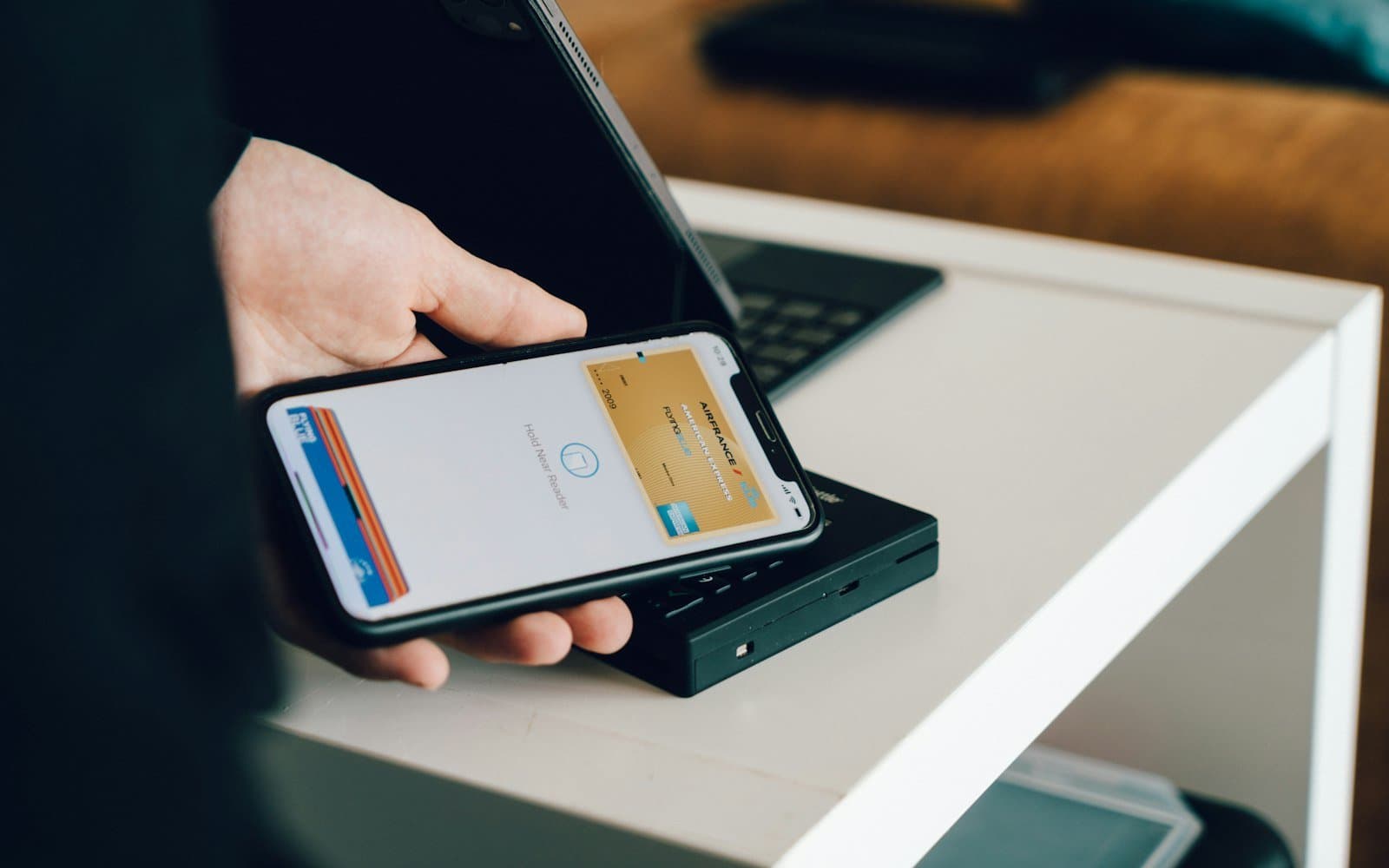
Raast already moves a huge amount of money in Pakistan. The State Bank of Pakistan (SBP) reported 742.1 million Raast transactions worth Rs23.3 trillion in January to March 2026 alone, and Raast's CEO has said the system is on track to process more than $500 billion in 2026. The next piece, announced by Raast's CEO in June 2026, is a consent-based pull payment method. Here is what it is and what businesses and developers should prepare.
Push versus pull, in one minute
Push (today): the customer starts the payment. In P2P they send money to a person; in P2M they scan a merchant's QR code and pay.
Pull (coming): the business starts the collection from the customer's bank account, but only after the customer has given prior approval.
Raast Payments Pakistan CEO Ahson Saeed described it as letting businesses and service providers collect payments directly from customers' accounts once consent is given.
Where Raast stands
Raast P2P transactions rose 10% to 664 million in Jan to Mar 2026, worth Rs18.9 trillion.
Raast P2M transactions rose from 36.3 million to 55.9 million in the same quarter.
More than 2.6 million merchants had onboarded or registered aliases for P2M by the end of March 2026.
Digital channels handled 92% of retail payments by volume in the quarter.
Why pull payments matter
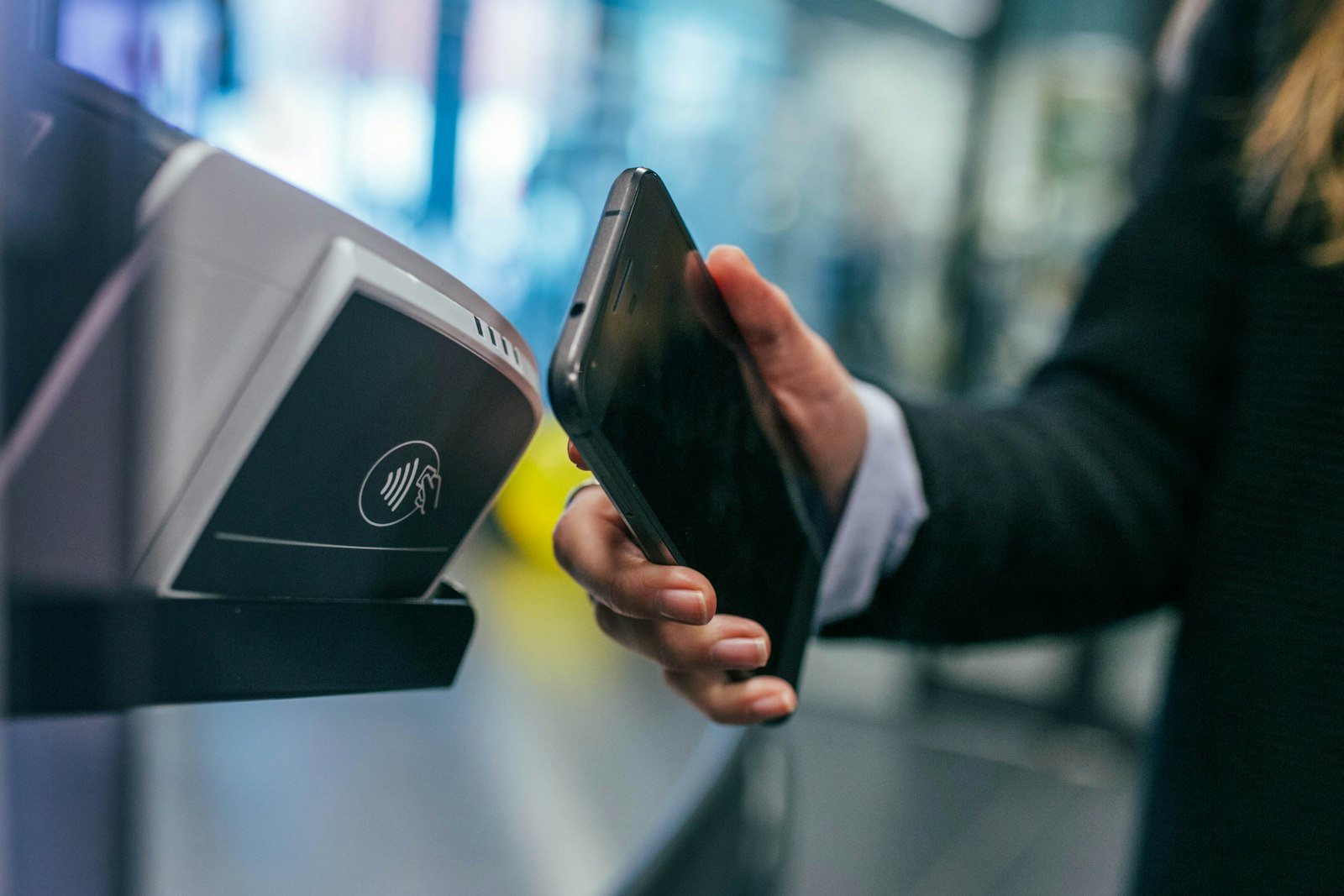
Recurring and invoice-based payments are awkward when the customer must remember to pay each time. Pull payments suit exactly these cases:
Subscriptions and SaaS billing
Utility and telecom bills
School and institution fees
Loan and installment collection
B2B invoices with agreed payment terms
For a business, that can mean fewer late payments and less manual follow-up. For customers, it means they approve once and stay in control.
What developers should prepare
Consent management. Store when and how each customer approved, what the limits are, and how they can cancel. Treat this like a legal record.
Retry and failure logic. A pull can fail because of insufficient funds or a revoked mandate. Decide how many retries you make and when you notify the customer.
Idempotency. Make sure a repeated callback or retry never collects the same invoice twice.
Reconciliation. Match every collection to an invoice automatically and flag exceptions for a person to review.
Clear customer communication. Notify before each collection and after it succeeds or fails.
What is still unknown
At the time of writing, we have not found a confirmed public launch date, fee structure or bank API availability for pull payments. Ask your bank or payment provider for the current status, and check SBP and Raast announcements before you plan a product around it.
How to get ready now
Make sure your billing system can store mandates and handle scheduled collections.
Connect your accounting or ERP so invoices and payments match without manual entry.
Keep your Raast P2M setup working, since merchant payments are the next major frontier according to Pakistani payment executives.
MetaLinx builds payment integrations for Pakistani businesses, including wallets and gateways, and can help you design a billing flow that is ready for Raast pull payments when they launch.
Sources
- #Payment Gateway
- #Fintech
- #Raast
- #Digital Payments Pakistan

Comments
No comments yet — be the first to share your thoughts.
Leave a comment